
Best Glitch VST Plugins (2026) – Create Unique & Unpredictable Sounds
Best Glitch VST Plugins (2026)
👉 “Looking for the best glitch VST plugins in 2026?”
Glitch effects have become one of the most powerful tools in modern music production. From tight stutters to chaotic, evolving textures, glitch plugins can transform simple sounds into something completely unique.
In this guide, we’ll cover the best glitch VST plugins in 2026, including both traditional glitch tools and newer generative, glitch-style effects that go beyond fixed patterns.
In this guide, we’ll break down the best glitch VST plugins in 2026 for producers who want something beyond the ordinary.
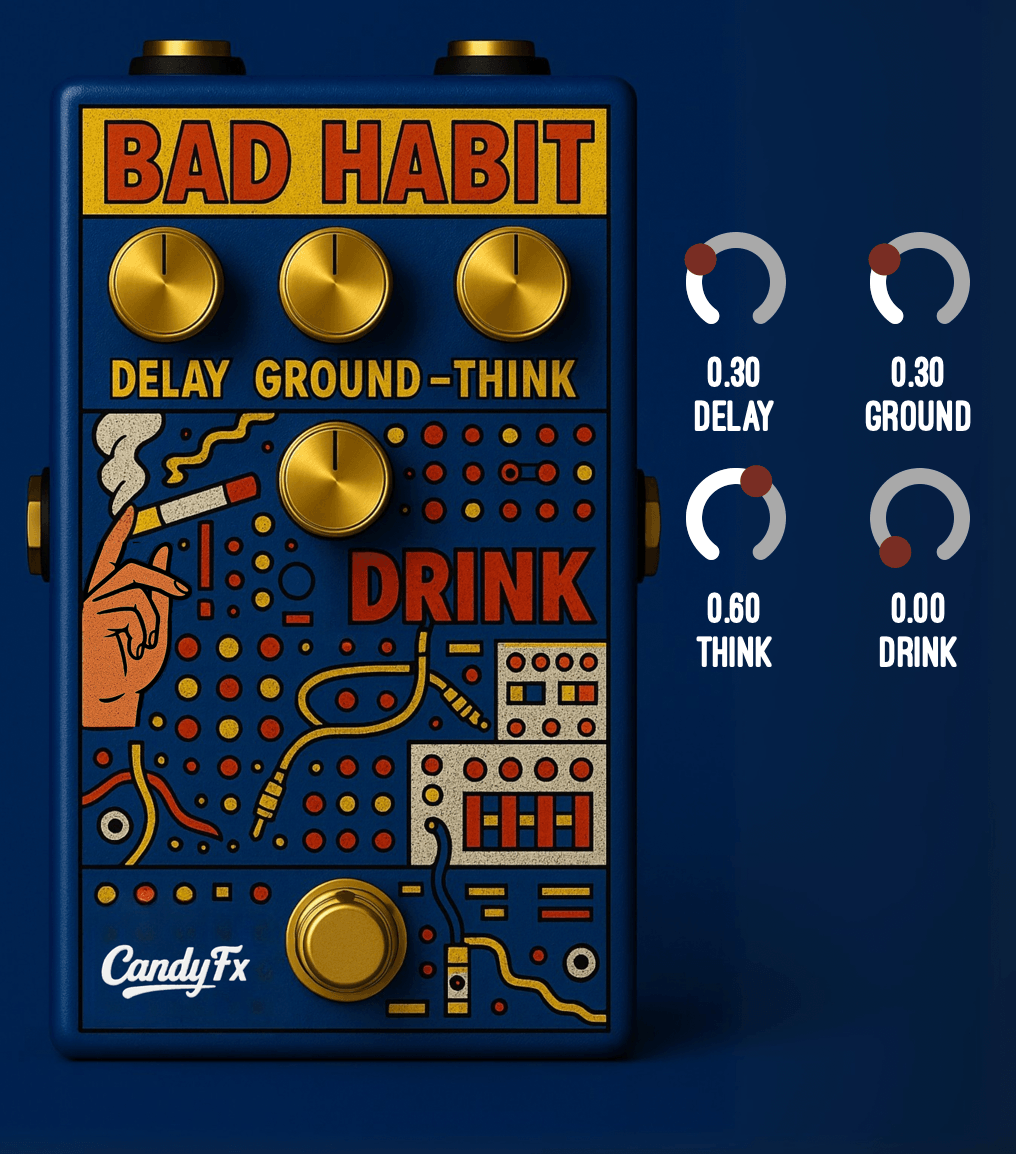
1. CandyFX – Bad Habit (Best Experimental Glitch-Style Plugin)
Bad Habit takes a different approach to glitch.Instead of relying on rigid step sequencers, it creates evolving, semi-random audio loops and fragments that shift over time.
👉 The result: glitch-like textures that feel alive, musical, and unpredictable
Key Features:
Buffer-based looping and stutter-style effects
Evolving, non-repeating modulation
Organic “happy accident” sound design
Works on vocals, guitars, synths, and drums.
👉 Perfect for producers who want glitch effects without sounding mechanical
2. Glitch 2 (Illformed)
A classic glitch plugin known for its grid-based sequencing system.
Precise control
Step-based stutters and effects
Ideal for rhythmic glitch patterns
👉 Best for structured, repeatable glitch effects
3. Output Portal
A powerful granular effects plugin that can create:
Time-stretched glitches
Warped textures
Complex sound manipulation
👉 More atmospheric and experimental
4. dBlue Glitch (Free)
A long-standing free option for basic glitch effects.
Simple interface
Classic stutter effects
Great starting point
BadHabit by CandyFX stands apart.
Traditional vs Modern Glitch Plugins
There are now two types of glitch tools:
Traditional (Grid-Based)
Glitch 2
Effectrix
Precise, repeatable patterns
Modern (Generative / Evolving)
CandyFX Bad Habit
Organic, unpredictable, constantly changing
If you want your music to feel more alive, the second category is where things are heading.
How to Choose the Right Glitch Plugin. Choose based on your workflow:
Want control → go grid-based
Want creativity → go generative
Want both → combine them
👉 If you want creative unpredictability, CandyFX is the strongest choice.
Pro Tip
Use glitch effects subtly:
Add to drum fills
Layer on vocals
Automate intensity over time
👉 Small amounts create the biggest impact
Glitch VST Plugins – In-Depth FAQ
What is a glitch VST plugin?
A glitch VST plugin is an audio effect that manipulates sound by slicing, repeating, reversing, or randomly altering small segments of audio. These effects are often inspired by digital errors or “glitches,” but are used creatively to add rhythm, texture, and movement.
Modern glitch plugins go beyond simple stutters. Many now include:
Buffer manipulation
Randomized modulation
Granular processing
Evolving, non-repeating patterns
This allows producers to turn static sounds into dynamic, constantly changing audio.
What’s the difference between glitch, stutter, and delay effects?
These effects are related but behave very differently:
Delay: Repeats audio evenly over time (predictable echoes)
Stutter: Rapid repetition of a short audio segment (tight rhythmic effect)
Glitch: Irregular, often randomized manipulation of audio
Glitch effects are less predictable and more experimental, making them ideal for creative sound design.
Are glitch plugins only for electronic music?
No—glitch plugins are used across many genres, including:
Hip-hop (vocal chops and stutters)
Pop (modern vocal textures)
Lo-fi (subtle degradation and movement)
Film scoring (abstract sound design)
Guitar-based music (ambient and experimental tones)
Even subtle glitch effects can add interest without sounding “electronic.”
What is a generative glitch plugin?
A generative glitch plugin creates effects automatically instead of relying on fixed patterns.
Instead of programming every step, the plugin:
Reacts to incoming audio
Introduces variation over time
Produces evolving, non-repeating results
This creates a more organic, musical feel, compared to rigid sequencer-based glitch tools.
Are generative glitch plugins better than traditional ones?
Not necessarily—they serve different purposes:
Traditional glitch plugins:
Precise control
Repeatable patterns
Ideal for structured music
Generative glitch plugins:
Less predictable
More creative and evolving
Better for experimentation
Many producers use both together.
How do you use a glitch plugin in a mix?
Glitch effects are most effective when used selectively.
Common uses include:
Drum fills and transitions
Vocal chops and effects
Texture layers in intros/outros
Subtle movement on pads or synths
Overuse can sound chaotic—small amounts create the best results.
Can glitch plugins be used on vocals?
Yes, and they’re extremely popular for vocal processing.
Glitch effects can:
Create modern vocal chops
Add rhythmic variation
Transform simple phrases into hooks
Even light use can make vocals stand out in a mix.
Do glitch plugins work in all DAWs?
Most glitch plugins are available in standard formats:
VST3
AU (Mac)
They work in:
Ableton Live
FL Studio
Logic Pro
Reaper
Studio One
Always check compatibility before installing.
What should I look for in a glitch plugin?
When choosing a glitch plugin, consider:
Ease of use
CPU performance
Random vs controlled behavior
Ability to automate parameters
Musical vs chaotic output
The best plugins balance creativity with usability.
Are there free glitch VST plugins?
Yes, there are several free options available, including:
Basic stutter and repeat tools
Older glitch plugins with limited features
However:
Paid plugins typically offer:Better sound quality
More advanced modulation
More creative control
How do glitch plugins create “unpredictable” sounds?
Unpredictability comes from:
Random modulation
Variable buffer sizes
Non-linear timing changes
Dynamic parameter movement
👉 These elements prevent the effect from repeating exactly the same way twice.
Can glitch effects be subtle?
Yes—and this is where they’re most powerful.
Subtle glitch can:
Add movement to static sounds
Create depth and texture
Enhance interest without being obvious
👉 Many professional producers use glitch effects almost invisibly.